
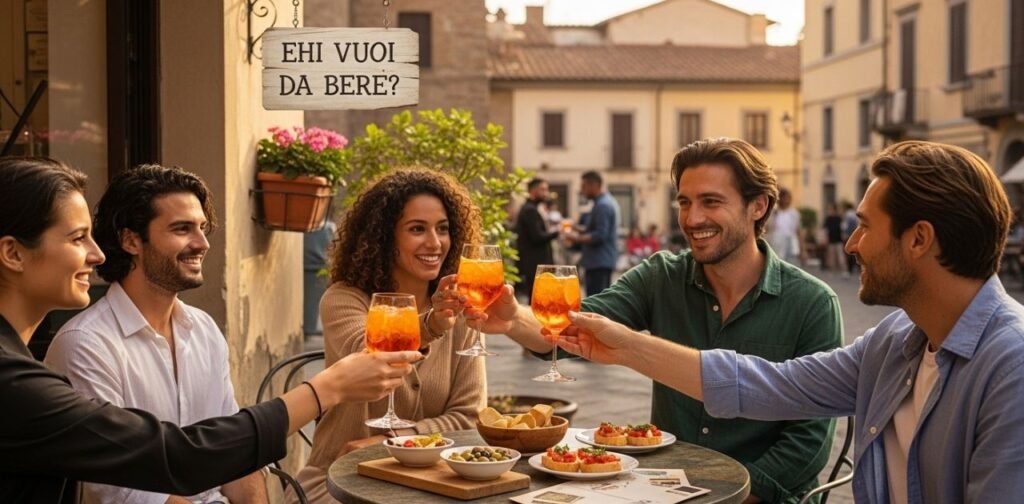
Introduction to Ehi Vuoi Da Bere
Languages are filled with beautiful expressions that capture not only words but also emotions, traditions, and ways of life. Among Italian expressions, one that often sparks curiosity is “Ehi Vuoi Da Bere.” At first glance, it may look like a simple phrase, but in reality, it reflects much more than a casual sentence. It is about connection, hospitality, and cultural values deeply rooted in Italian society.
The phrase translates literally to “Hey, do you want something to drink?” But as with many Italian expressions, the true meaning cannot be fully captured in translation. It carries warmth, friendliness, and the spirit of community. Italians are known for their love of conversation, food, and hospitality, and this expression beautifully embodies all of these qualities.
Understanding phrases like “Ehi Vuoi Da Bere” is not just about learning Italian—it’s about experiencing Italian culture, lifestyle, and social habits. In this article, we will explore the meaning, context, and cultural significance of this phrase, while also looking at how it can be applied in everyday life.
What Does “Ehi Vuoi Da Bere” Mean?
The phrase “Ehi Vuoi Da Bere” is made up of four simple Italian words, but together they create a powerful and warm invitation. Breaking it down:
- Ehi – A casual greeting, similar to “Hey!” or “Hi there!”
- Vuoi – Derived from the verb volere, meaning “you want.”
- Da – A preposition often used to indicate purpose or function.
- Bere – “To drink.”
So, the direct translation is “Hey, do you want to drink?” However, the meaning goes far beyond offering a beverage.
In Italian culture, offering someone a drink is more than just an act of kindness—it is an invitation to connect, share stories, and build relationships. Whether it is coffee in the morning, wine in the evening, or sparkling water during a hot day, drinks are central to Italian social life.
When someone says “Ehi Vuoi Da Bere,” it can also carry undertones of:
- Hospitality: Making someone feel welcome.
- Friendship: Opening up space for conversation.
- Romantic Interest: Sometimes used in casual flirting, especially in social gatherings.
- Politeness: Simply offering refreshment as a sign of respect.
This makes the phrase a multi-layered cultural gem that tells us a lot about how Italians approach communication and relationships.
The Cultural Significance of Offering a Drink in Italy
To truly appreciate “Ehi Vuoi Da Bere,” we need to understand the Italian culture around drinks. In Italy, beverages are not just consumed for thirst—they are rituals, traditions, and moments of connection.
Coffee Culture
Italy is world-famous for its coffee culture. Offering someone an espresso is one of the most common ways to socialize. Saying “Ehi Vuoi Da Bere?” in a café often means inviting someone to share a quick espresso shot at the bar, which usually lasts just a few minutes but leaves a lasting impression.
Wine and Social Gatherings
Wine has been part of Italian history for thousands of years. When used in social or romantic settings, “Ehi Vuoi Da Bere?” often refers to offering a glass of wine. It reflects relaxation, enjoyment, and the Italian way of savoring life.
Hospitality at Home
If you visit an Italian home, one of the first things the host will ask is if you would like something to drink. This is not only politeness but also a way to make guests feel comfortable. The phrase in this context symbolizes warmth and openness.
Flirting and Social Chemistry
In nightlife or informal gatherings, saying “Ehi Vuoi Da Bere?” can be a form of casual flirting, similar to “Can I buy you a drink?” in English. It is lighthearted, friendly, and often the beginning of a conversation.
Thus, the phrase is a gateway to experiencing the Italian lifestyle of togetherness, joy, and hospitality.
How to Use “Ehi Vuoi Da Bere” in Everyday Life
If you are learning Italian or traveling to Italy, knowing how and when to use “Ehi Vuoi Da Bere” can make a big difference in social interactions.
- At a Café: When with friends, use the phrase to offer them coffee. Italians appreciate this small gesture of kindness.
- At a Party or Bar: It works perfectly as a conversation starter. Just like in English, buying someone a drink often opens doors to friendships or romantic connections.
- At Home with Guests: Always offer a drink—it shows you value their presence. The phrase will make you sound authentic and polite.
- In Casual Conversations: You can use it humorously or warmly when checking in on someone’s comfort.
The key is to deliver it with a smile and genuine warmth—because in Italian culture, tone matters as much as words.
FAQs About “Ehi Vuoi Da Bere”
Q1: What is the literal meaning of “Ehi Vuoi Da Bere”?
It literally means “Hey, do you want something to drink?” in Italian.
Q2: Is this phrase formal or informal?
It is generally informal and used among friends, family, or in casual settings.
Q3: Can it be used as a pickup line?
Yes, in social settings it can be used playfully, similar to “Can I buy you a drink?” in English.
Q4: Do Italians always offer drinks when hosting?
Yes, offering drinks is a strong part of Italian hospitality and culture.
Q5: Is the phrase commonly used today?
Absolutely—it remains a natural and warm expression in daily Italian life.
Conclusion
The phrase “Ehi Vuoi Da Bere” is more than just a collection of words—it is a reflection of Italian values of hospitality, friendship, and connection. Whether used at a café, a dinner table, or a social gathering, it carries an invitation to share not just a drink but also a moment of human connection.
Learning expressions like this gives us a deeper appreciation for the beauty of Italian culture and the role language plays in shaping social bonds. Next time you hear or use “Ehi Vuoi Da Bere,” remember that you are engaging in a tradition that has been at the heart of Italian society for centuries.